
If you’ve been daydreaming about a simple weekend retreat or a cozy guest space right in your backyard, you’re not alone. Many homeowners want to know how to convert a shed into a tiny cabin without wasting money or making comfort-killing mistakes.
That’s where choosing the right starting point—like a well-built shed or cabin shell from Weaver Barns—can make the entire process smoother.
You may already have a shed. You may be thinking about ordering a new model that’s better suited for finishing out. Either way, the goal is the same: a small, comfortable cabin that feels more like a tiny home and less like a drafty storage building.
So how do you actually get from basic shed to cozy tiny cabin?
Let’s walk through it step by step.







TL;DR - How To Convert A Shed Into A Tiny Cabin
- Start with a plan. Decide how you’ll use your tiny cabin, check local zoning and permits, and sketch a simple layout using zones for sleeping, sitting, snacks, and (if allowed) a bathroom.
- Make the shell comfortable. Insulate the walls, ceiling, and floor, seal gaps, add weatherstripping, and include basic ventilation so your cabin feels cozy instead of drafty or damp.
- Add utilities safely. Hire pros for electrical and, if needed, plumbing. Plan enough circuits for lights, outlets, and heat, and choose simple plumbing options that match your local codes and your budget.
- Design smart for small-space living. Use multi-purpose furniture and light finishes to keep the cabin feeling open, organized, and inviting.
- Boost curb appeal. Add a small porch and simple landscaping to create a true “little getaway” feel.
- Move at your own pace. Break the project into phases to spread out costs, make better decisions as you go, and enjoy the process—not just the final cabin.
1. Start With a Plan: Use, Layout, and Local Rules
Before you pick paint colors or bunk beds, zoom out and plan.
First, ask: How will this tiny cabin be used? Guest space, kid hangout, or simple retreat? Once you know the purpose, answer the following questions: What size do I need? How do I want it laid out? Do I need plumbing, or can I go with a simple, off-grid setup?
Next, check zoning and permits. Call your local building or zoning office and ask:
- Is overnight use allowed in a shed-style building?
- Do I need a permit to add plumbing or electricity?
- Are there size limits or setback requirements?
It’s not the fun part, but getting clear answers now saves big headaches later.
Finally, sketch a simple layout. Think in zones instead of rooms:
- Sleeping zone: bunk beds or loft
- Sitting zone: loveseat or chairs
- Snack zone: counter with mini-fridge and coffee bar
- Bathroom zone (if allowed): toilet and compact shower
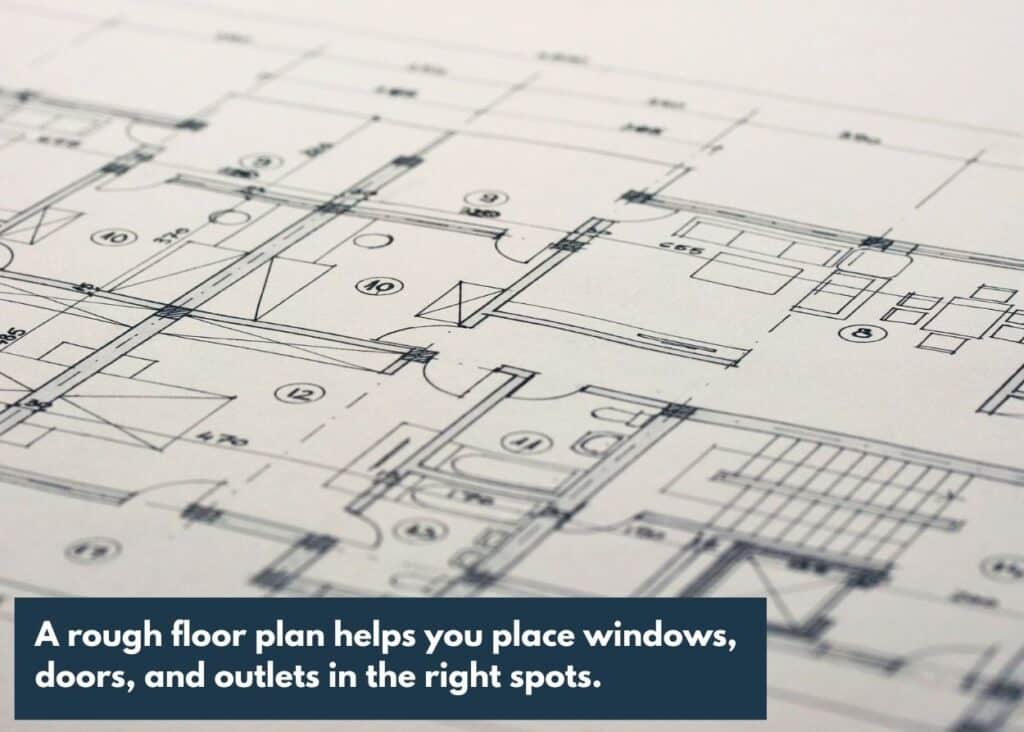
A rough floor plan helps you place windows, doors, and outlets in the right spots.
2. Insulation, Weatherproofing, and Ventilation
If the structure isn’t comfortable, it won’t matter how lovely the décor is. To use your tiny cabin year-round, these three things are essential. They help regulate temperature, reduce condensation, and protect finishes.
Insulation
- Focus on: walls and ceiling (fiberglass or mineral wool batts, rigid foam, or spray foam) and floor (insulation between joists if you are able to access from below)
Weatherproofing:
- Use caulk or foam around frames
- Add weatherstripping around doors
- Install a vapor barrier on the warm side of the insulation (where recommended for your climate)
Ventilation:
- Operable windows on opposite walls
- A small exhaust fan in the bathroom
- A ceiling or wall-mount fan to keep air moving
The goal? A climate-controlled cabin that feels fresh, not stuffy.
3. Add Utilities Safely: Electricity, Plumbing & Heating
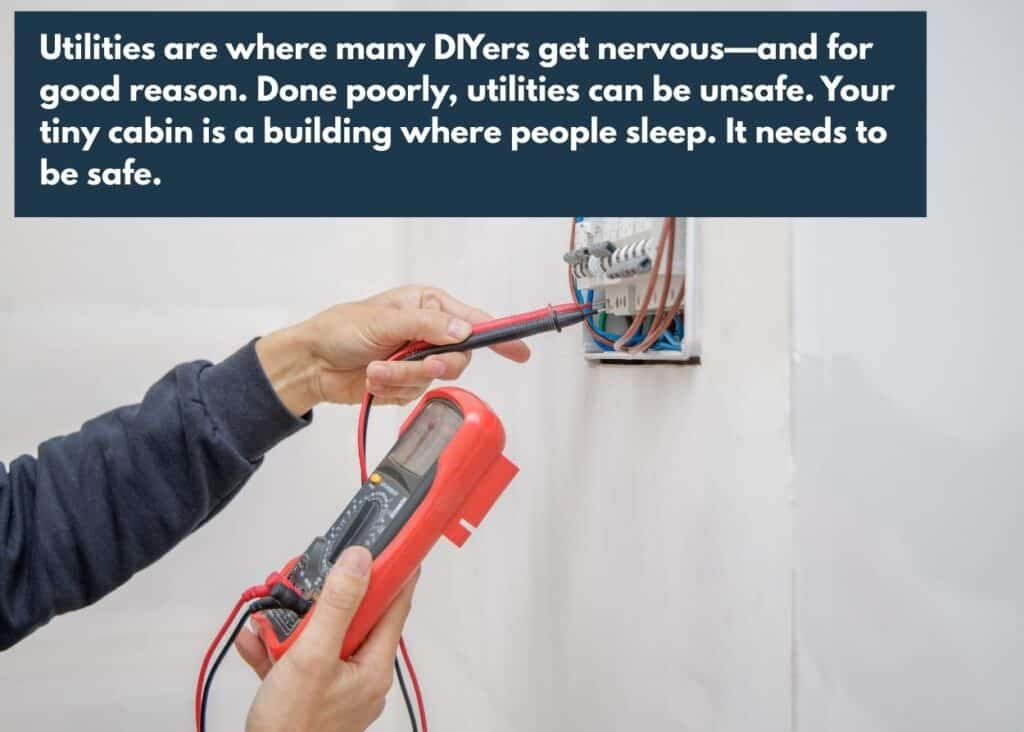
This is where many DIYers get nervous—and for good reason. Done poorly, utilities can be unsafe. Your tiny cabin is a building where people sleep. It needs to be safe.
Electricity:
The National Electrical Code requires that all electrical work in dwellings comply with code requirements. That usually means:
- Hiring a licensed electrician
- Planning enough circuits for lights, outlets, a small heater or mini-split, and kitchen appliances
- Including GFCI-protected outlets in damp or outdoor areas
Even if you're comfortable doing some work yourself, it's wise to have an electrician at least design and inspect the system.
Plumbing:
Not every tiny cabin needs a full bathroom. You have choices:
- No plumbing: a dry cabin with access to the main house
- Simple sink only: for handwashing and basic cleanup
- Full bath: toilet, small sink, and compact shower
Local codes will shape what’s allowed. Many places require tiny cabins used as dwellings to connect to a septic or sewer system or to comply with rules for tanks and composting toilets.
Heating:
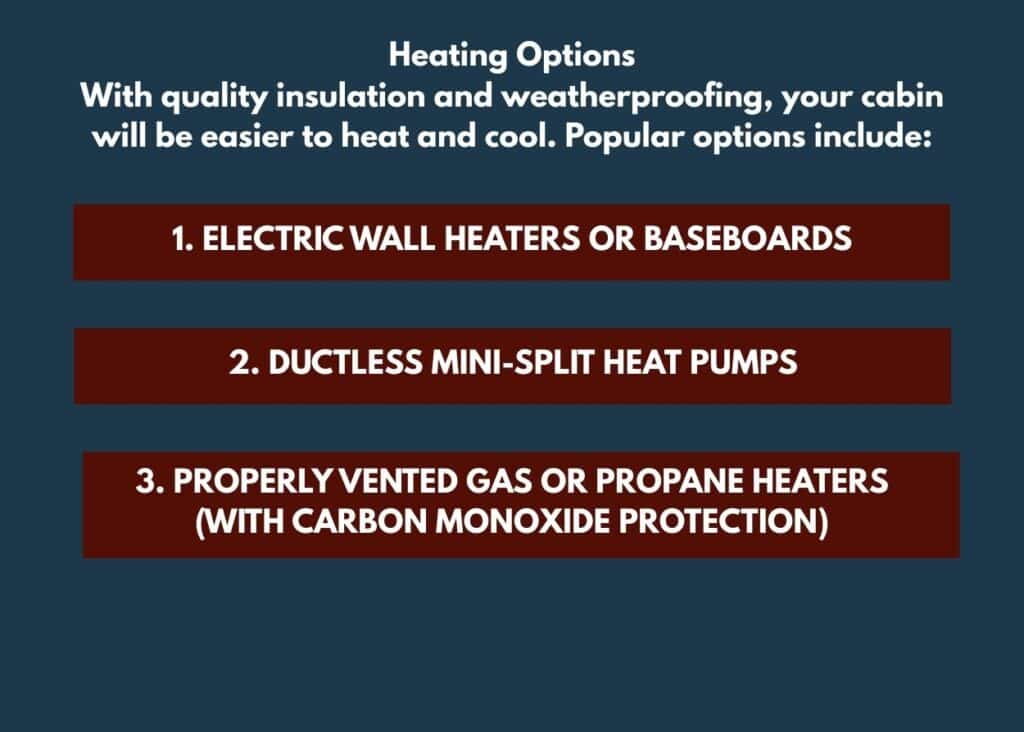
With quality insulation and weatherproofing, your cabin will be easier to heat and cool. Popular options include:
- Electric wall heaters or baseboards
- Ductless mini-split heat pumps
Properly vented gas or propane heaters (with carbon monoxide protection)
Pick a system sized for a small space, so it runs efficiently and feels comfortable.
4. Design the Interior for Small-Space Living
Now for the fun part. This is where your shed finally starts to feel like a tiny cabin. You add your personal touch and make it feel like a small version of home.
Each zone shares space with another. That’s normal for tiny living. Think about the best way to use the space you have. How can you make it feel cozy, not cramped?
Smart furniture choices make a big difference:
- A sofa bed serves as a guest bed and some models even provide extra storage.
- A Murphy bed folds up during the day to free up space.
- Nesting tables or stacking stools take up less space when not in use.
- A fold-down wall table for eating or playing games.
- Entryway or window seat storage benches.
The finishes you choose also play a big role in whether the cabin feels open or cramped. Ideas:
- Choose lighter wall colors with warm wood accents.
- Use a few larger décor pieces instead of lots of tiny items.
- Hang curtains higher to draw the eye up.
- Add soft lighting—wall sconces, small lamps, and warm LED bulbs—for a relaxed cabin feel.
But most importantly, go with what feels cozy to you and makes you feel happy to step inside!
5. Give the Outside Real Cabin Character
You don’t just want the inside to feel like a cabin. You want to walk up and instantly feel that “little getaway” vibe.
A small porch with a roof protects your door and steps from rain and snow, gives you a place to sit with coffee, keeps mud out of the cabin, and makes the entrance feel welcoming.
The area around your tiny cabin matters too.
Consider:
- A gravel path from your main house.
- A small fire pit area with chairs (following local fire rules).
Simple landscaping—native plants, a few shrubs, maybe a small tree.
6. Think Through Budget and Timeline
Two big questions remain: What will this actually cost, and how long will it take?
Thinking through how long this project will take and how much it will realistically cost may help shape your decisions. Go ahead and take the time you need to think through these things before you begin, so you don't end up overspending or feeling frustrated.
Remember to take your time and enjoy the designing and building process. You don’t have to do everything at once. You can choose to tackle the project in phases if you want. This slower pace not only keeps costs manageable but also gives you time to live with the space and make smarter choices along the way.
In the end, the journey of creating your tiny cabin can be just as rewarding as the finished retreat itself.
Conclusion: Your Tiny Cabin Dream Come True
On a crisp evening, warm light spills from the windows onto a small porch with two chairs. Inside, a simple but cozy cabin awaits—a place where guests stay, kids camp out, or you enjoy a quiet night away from the noise of everyday life.
That’s the power of turning a simple shed into a tiny cabin.
Weaver Barns would be glad to help you choose or design the right shed to become your future tiny cabin. With quality materials and thoughtful construction from the start, your conversion gets easier—and the finished cabin feels better for years to come.
You bring the dream. We’ll help you give it four walls, a roof, and a front porch. Connect with Weaver Barns today to talk through your ideas, explore shed and cabin options, and take the next step toward your own tiny cabin retreat.
For another shed conversion idea read: How to Convert a Shed into a Home Office
